Share This Article
Sushi Striker was a weird Nintendo experiment that never stood a chance, so I decided to give it one.
Back in 2023 I had the brilliant idea of “trying” to collect every single Nintendo-developed game. This is how I got my hands on gems such as 1-2 Switch, Mario Golf, Fitness Boxing, and, of course, Sushi Striker. They all came from the same bundle, and I won’t lie when I say that I was super excited to finally play Sushi Striker.
But, as new games kept releasing, I never found the opportunity to dive in until a few months ago while I was in the process of moving into a new house. Having to physically grab the game to take it out of the box triggered my will to finally start playing it.
By the end, I found what I consider to be my favorite Hidden Gem on the Nintendo Switch.
Is Sushi Striker Actually Good? The Reception Says Yes
And it turns out, other people think like me!
I scrolled through the comment section of the several trailers it had, and I was surprised to see that the reception was actually good. People seemed to love seeing the silliness of this sushi game, from the fantastic animated cutscenes to the weird but captivating gameplay to the banger theme song.
It wasn’t just the public that praised the game, though, reviewers also gave Sushi Striker a fair score, and it sits at a respectable 7.6 on Metacritic, with Nintendo-focused sites such as Nintendo Life giving it an 8/10.
So Why Did Nobody Buy This Nintendo Switch Hidden Gem?

With such a great reception and early reviews, Sushi Striker was bound to be a success. It would be the next Splatoon, spawning multiple games and building a strong IP, right?
Well, let’s say that Sushi Striker is a hidden gem for a reason.
Although the initial reception was great, it didn’t translate to that many sales. For example, in Japan, it sold merely 5325 copies on the Nintendo Switch.
Also, keep in mind that there weren’t many first-party games available at the time, and everyone was eager for more to be released.
So, why did no one buy this game? This is what I’ll answer today.
So sit back, relax, and let’s find out what went wrong with Sushi Striker.
How Sushi Striker Was Conceived

Sushi Striker was a game conceptualized by a prominent Nintendo employee named Kaori Ando.
Kaori has worked on several Nintendo games under different titles, but she’s best known for being the Director of Tokyo Mirage Sessions.
That weird mix of Fire Emblem, Shin Megami Tensei, and idol culture from Japan. Although it seems interesting and fairly well received, the focus on Japanese idols really turns me off.
I gave a chance to Shining Resonance Refrain once, and I didn’t like how they incorporated this theme at all. And since then, I’ve been afraid of trying any game with this concept. But, in hindsight, this is the least of the problems with Shining Resonance, and I think it’s a great topic for a video someday, because I do have a lot to say about it.
But going back on track, Kaori was asked by Producer Hitoshi Yamagami for a game concept that would appeal to a broad demographic, and Kaori responded with “Sushi.” But why?
Ando saw sushi as something that people of all ages enjoy eating. Given its broad appeal, it made sense to develop a video game around it.
The Ridiculous Story Behind Sushi Striker’s World
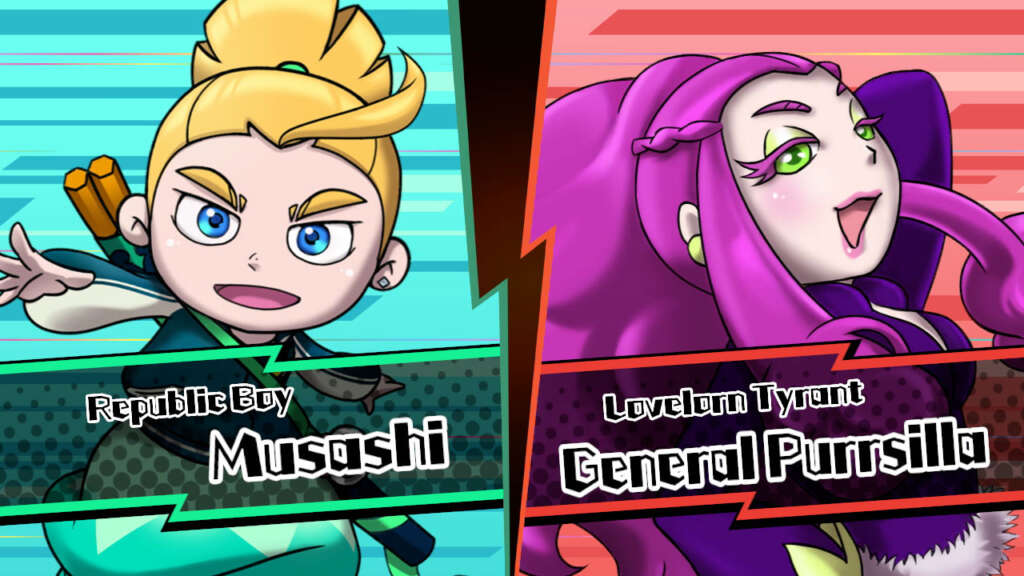
From here they started to come up with ideas that would flesh out the world of Sushi Striker.
They built the entire narrative based on a dramatic and ridiculous premise. In the world of Sushi Striker, sushi isn’t just food, it’s a forbidden luxury. After the Sushi Struggles, the ruling Empire seized control of every Sushi Sprite, which are magical creatures capable of producing sushi, and banned this delicacy entirely. The common people are forced to live without it, while the Empire hoards sushi as a symbol of power and oppression.
Years after the Sushi Struggles, the protagonist, Musashi, comes into play. A young orphan who’s never even tasted sushi. After a chance encounter with a Sushi Sprite called Jinrai, he joins the resistance and becomes a “Sushi Striker,” someone who fights not for glory, not for territory, but for the right to eat sushi freely again.
How Sushi Striker Was Developed
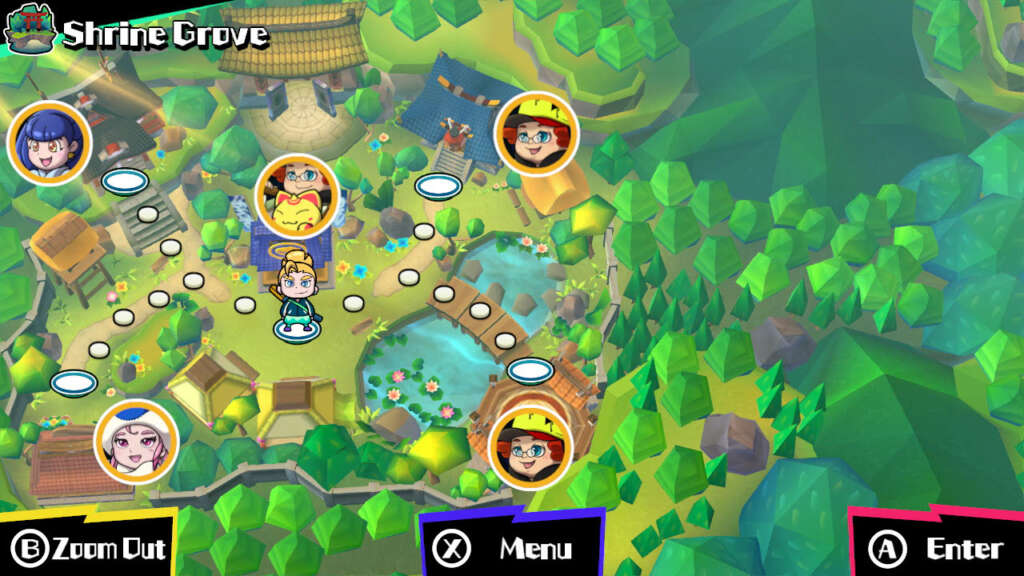
From here, the only thing left was the most difficult part to conceptualize, the gameplay. So, they pitched the concept to several development partners, such as Indieszero, best known for a game called Nintendo World Championships: NES Edition, but also for several rhythm games like Kingdom Hearts: Melody of Memory.
In the end, Indieszero’s idea of turning Sushi Striker into a puzzle game won over other developers, and they were picked to work on the game. And over time, together with Nintendo, its mechanics were refined into the fun and frenetic game we get to enjoy today.
But ultimately, it wasn’t the gameplay that Kaori was worried about. To her, the most important part was the original concept. Capturing the happiness of eating sushi and exaggerating it into something ridiculous, funny, and dramatic. Which she actually succeeded in.

However, there was something they didn’t. The first major stopper for this game’s success happened at this stage. Sushi Striker wasn’t idealized to be a Nintendo Switch title, but rather a Nintendo 3DS title.
They decided the game would be ported to the new Nintendo console pretty late into development. Although it was ported with no major bugs or any loss in quality, there was still something that could not be ported correctly unless they changed the way the game plays entirely.
How Sushi Striker Plays: The Core Gameplay Explaine

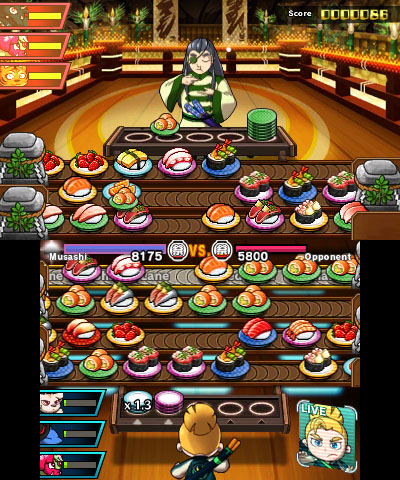
Understanding the core gameplay of Sushi Striker is quite simple, actually. It’s a game where the goal is to link as many plates of the same color as possible under a time limit. Once the limit is hit, the plates will stack on a table. You can have up to 5 stacks and choose to throw them at your opponent at any given time. Or, if you try to add one more stack of plates when there’s no room on the table, Musashi will automatically throw one.
However, linking and chaining plates is not always an easy task. They keep coming from 3 different lanes from your side that are always on the move, which pressures you to think and move fast. There’s also a lane in the middle that both players can access, and it can be a struggle to get the right-colored plate from it before your opponent does.
Succeed in linking plates, and you’ll eventually trigger Sushi Jubilee, where plates of the same color appear more often and closer to each other, making it much easier to get bigger stacks.
Gears and Customization: Building Your Playstyle
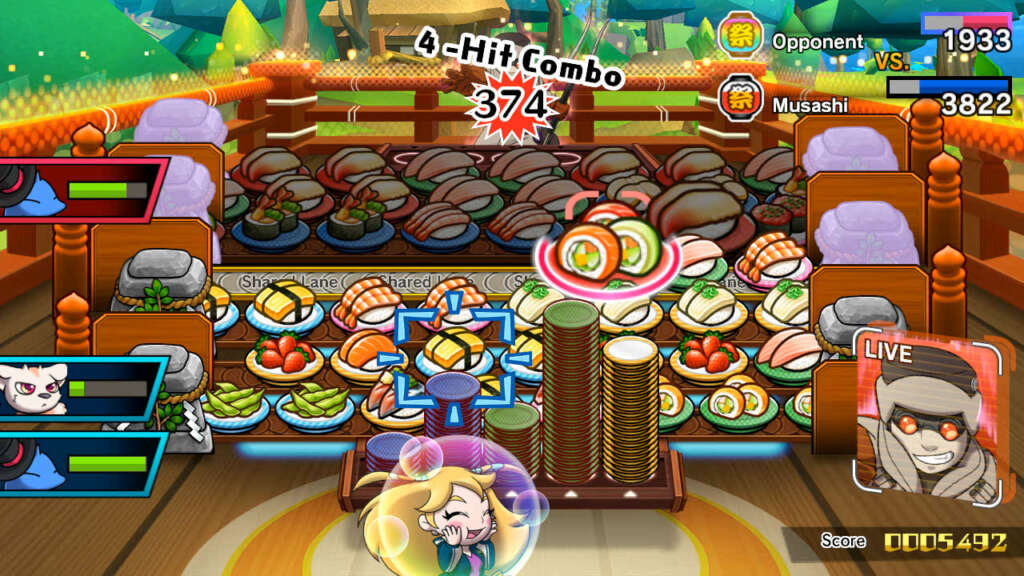
There are also various pieces of equipment you can use to link more plates more effectively, or even comfortably, such as gears.
You start with a gear that moves at a moderate speed, but from my experience, you’ll find it too slow after a couple of hours. So, you’re better equipping a gear that makes the lanes move faster, which helps you link more plates faster, at the cost of maybe missing a plate or two once in a while.
There are also gears that can affect the direction of your lanes, and it’s all up to preference, honestly. I prefer the default one where you have the middle lane moving at the opposite direction of the other two. I’ve tried having all the lanes moving in the same direction once, but I felt I was getting fewer opportunities to link more plates.
Sushi Sprites: The Feature That Makes Sushi Striker Addictive

Apart from gears, there are also Sushi Sprites, the main feature that made me glued and addicted to this game.
While the puzzle gameplay is fun, it wouldn’t be as addicting without the Sprites, which are basically Sushi Pokémon you can acquire. They come in different shapes and forms, have unique abilities, and can even evolve upon leveling them up.
You can trigger their ability by eating sushi, and finding the right combo to one-shot your opponent is super satisfying.
My main team has been the following:
Sun-O with the ability Plate Jumper that allows me to connect plates freely.
Tigazo with the Zap ability, which adds lightning damage with each thrown plate for a certain amount of time.
And Kumaten, with the ability to double the damage of the next thrown plates.
Usually abilities start weak, but as you play, you can upgrade them, making them truly feel broken. For example, the double damage ability from Bear at level 1 only affects the first stack you throw, but once leveled up fully, it can affect 3 stacks, which is insane, trust me.
How to Unlock All Sushi Sprites

But how do you even acquire these Sprites?
In Story Mode, you have several areas with different levels you must beat to progress. And, in each, there’s a chance you can acquire the Sprite of your enemies every time you complete a level. So, you can effectively play the same one over and over again until you get the Sprite you want.
And some can only be unlocked by collecting enough stars, which you get by completing challenges in each level. They span from beating the level with an S rank to winning within a certain amount of time.
Some can be fun to try, while others are a slog. My least favorite is the one where you have to collect a colored plate that appears occasionally, and is probably why I’ll never 100% this game, unfortunately.
Is Sushi Striker’s Story Worth Following?
The single-player content is actually good and addicting, it’s one of those “just one more level before sleep” types of games. And it helps that the story is worth following through. It’s your typical shonen story but with the ridiculousness amped to the max.
Although I was playing Sushi Striker more for the gameplay, the story never stopped surprising me. It kept adding more characters into the conflict and adding twists that left me questioning the morality of some of the characters.
What seemed to be a simple story of good guys vs. bad guys shifted greatly, and it managed to keep up the wonder, mystery, and heart all through the end. And I’m happy it did, because this was the main goal of Kaori Ando.
The Biggest Problem With Sushi Striker on Nintendo Switch

However, as mentioned in the previous section, there is a big issue with Sushi Striker’s gameplay. The game was conceptualized for the Nintendo 3DS, and how do you play it on that system? With a stylus. See where I’m going?
The Nintendo Switch is a hybrid console, and although you can play it docked, you’ll need to do it with a controller. And it’s terrible. Selecting the sushi plate you want is too slow when compared to just tapping it with a stylus or your finger. If you compare gameplay footage from docked vs. handheld, you can see how much faster and more accurately someone can link and chain plates.
And this is not the first time we have seen a Nintendo game with this issue. For example, The World Ends with You is a game ported from the Nintendo DS, which relied heavily on touch controls, and they were just as bad as well.
Thankfully, Inazuma Eleven Victory Road, a series best known for its DS and 3DS titles, understood the gameplay they had used up until now couldn’t be translated well to a controller and upgraded the gameplay accordingly.
But Sushi Striker was already too far in development for the Nintendo 3DS. And it didn’t help that the Nintendo 3DS was on its last legs, there were no margins for delays, and changing how the gameplay fundamentally plays would’ve killed the only chance it got.
But as we are about to find out, there were other issues that Sushi Striker could not recover from, even if the gameplay was perfect.
Why This Nintendo Switch Hidden Gem Flopped at Launch

Sushi Striker was released on June 8, 2018, and I don’t recall seeing any hype around it. And it’s easy to understand why by looking at a few titles that released in that same month:
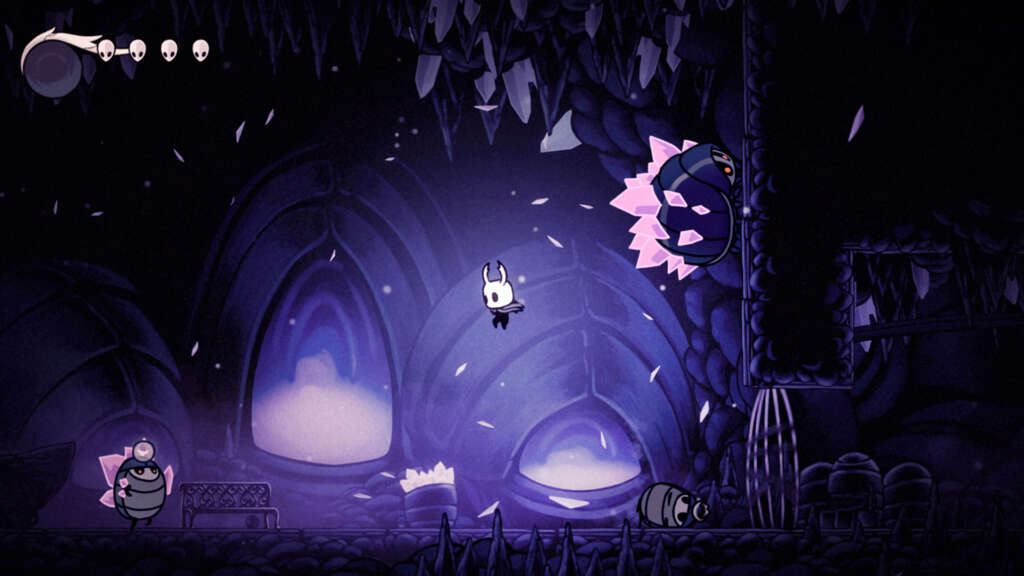
Hollow Knight on June 12th, Fortnite on June 12th as well, and Mario Tennis Aces on June 22nd.
Out of all these games, which one would you pick?
Hollow Knight, despite being a recent game, was already viewed as one of the best indie games out there, and its arrival on the Nintendo Switch was something fans couldn’t wait any longer for.
Fortnite was and still is a free-to-play behemoth, and even I played a couple of dozen hours and even spent money on some V-Bucks during its launch window.
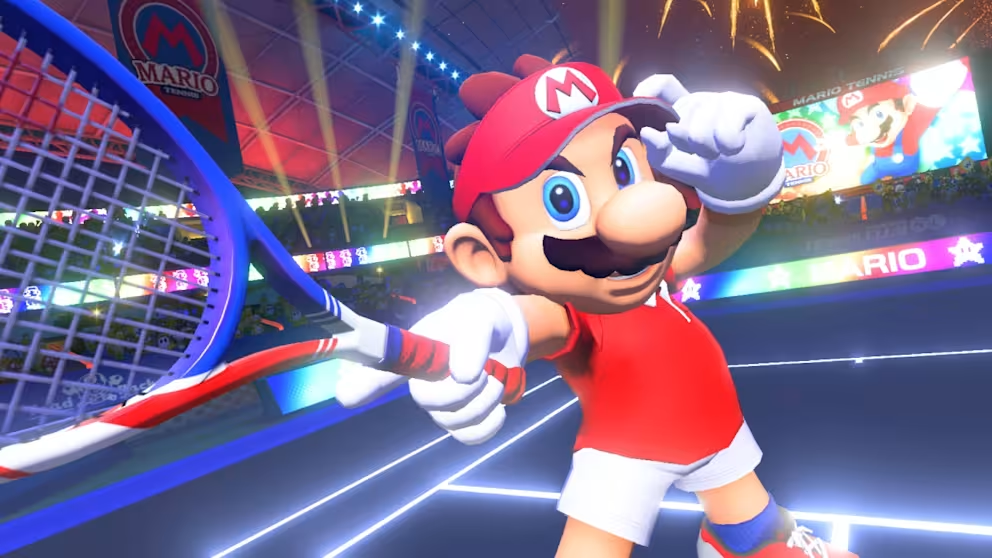
And then, we have Mario Tennis Aces, the game Nintendo pushed and truly marketed as their flagship title releasing that month. It was also the game I decided to waste my money on that month. I ended up regretting it because it got stale and boring really fast.
So much that I eventually sold it, only to get it back on the same bundle of games I got Sushi Striker from. Funny how fate is sometimes…
But as you can see, it was difficult for a brand new IP to compete against well-established franchises or games. And this is without even considering the pricing.
Was Sushi Striker Overpriced?
Today you can get Sushi Striker for cheap; I got mine for $10 and the Nintendo 3DS version for half of that, brand new and sealed. But at launch? The Switch version costs $49.99.
It was cheaper than Mario Aces for sure, but Hollow Knight was $14.99. And I don’t think I need to mention Fortnite. It’s free, and I can already imagine the thousands of kids crying to their parents to get them some V-Bucks.
The price for the Switch, and even the 3DS version, which sat at a regular $39.99, was difficult to justify for a puzzle game, with graphics that looked like they came from a mobile game.
That’s what I thought back then, and I still do. The game is certainly fun, the characters have a nice design, and the story is fun to follow. But the general graphics still scream mobile to me.
Maybe if this was priced at $30, I would’ve given it a chance back in the day, but as it stood, it was difficult to justify the purchase.
Nintendo’s Pricing Problem Goes Beyond Sushi Striker

But unfortunately, we don’t see this issue just with Sushi Striker; a large number of games from Nintendo have a pricing that doesn’t make sense.
Not even a month before the release of Sushi Striker, we got Donkey Kong Country: Tropical Freeze, a Wii U port that cost $59.99. Which was pricier than its first iteration. Want another one? Pikmin 3 Deluxe, as much as I adore this game, there was nothing in this port that can justify its pricing.
Nintendo was at a stage where they were finally coming back from the failure of the Wii U, and every game they released needed to have that premium price attached, Sushi Striker included.

And why would they change? Mario Tennis Aces, despite being a letdown, ended up selling around 4.5 million units, and so did Tropical Freeze. And even Pikmin 3 Deluxe sold 2 times more than its Wii U version.
And I could go on and on about this, but I think we finally have the bigger picture of why Sushi Striker failed.
Sushi Striker: A Nintendo Switch Hidden Gem That Deserved Better
Sushi Striker on Switch didn’t fail because it lacked personality or charm.
It failed because it was born into circumstances it was never built for. It was conceptualized for the 3DS and later pushed onto the Switch with heavy compromises.
Despite being a good game, it was difficult to justify AAA pricing for what it seemed like a mobile puzzle game.
And lastly, they decided to release a brand-new IP in a month crowded with heavy hitters, making sure it was ignored by almost all Nintendo Switch owners.

But despite its failure, it’s still great I got to experience this title by Nintendo. They aren’t afraid to experiment with new ideas from time to time, and I can always count on them being fun.
Even recently we got Drive X Drive, which, despite its complete lack of content, provided a gaming experience that I never had, and I got the same feeling with Sushi Striker.
So, Sushi Striker remains a weird little time capsule of Nintendo’s experimental phase, a reminder that creativity alone isn’t enough. In the games industry, timing matters. Pricing matters. Platform matters. Visibility matters.
Sushi Striker had heart. It just never had a chance.
Thanks for watching, and if everything goes well, I’ll be seeing you again next time with brand new content.